1647
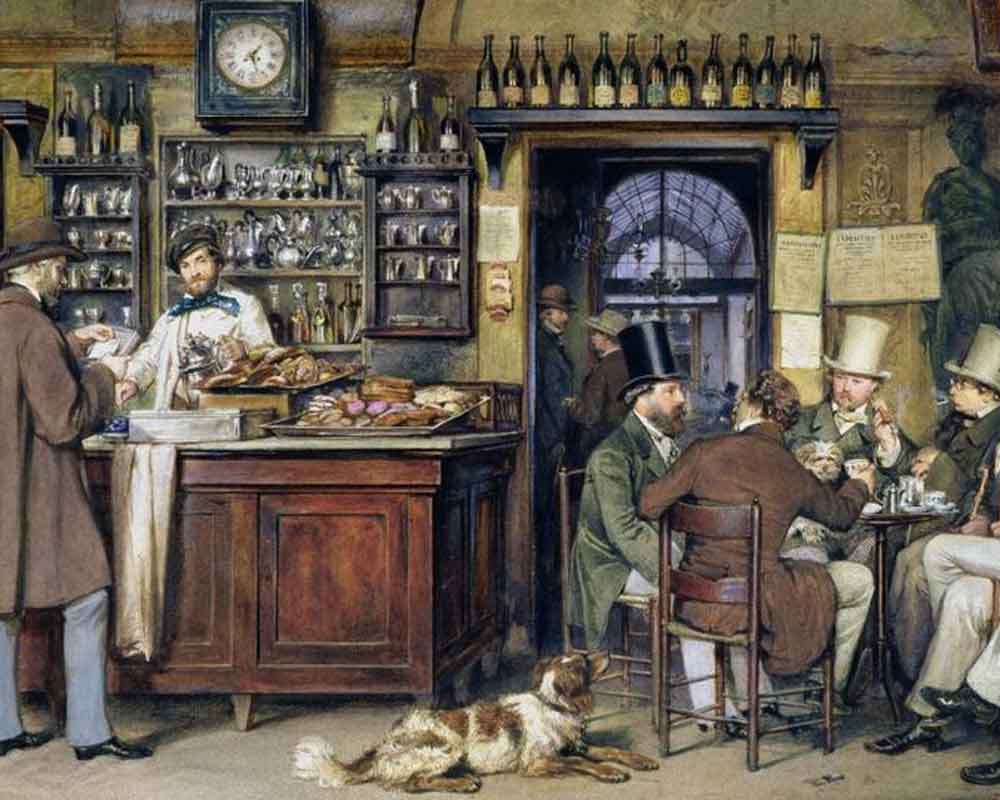
Europe’s first coffee house
The starting gun for the “warm drink of pleasure” is fired, how could it be otherwise, in Italy, where in 1647 the first European coffee house opens its doors in Venice. Praised as the “seasoning of the brain, food of reason and instrument of sobriety”, the success of the deep black hot drink is bound above all to the social rise of the middle classes in Europe, who have always known how to appreciate coffee in all its forms.
1758
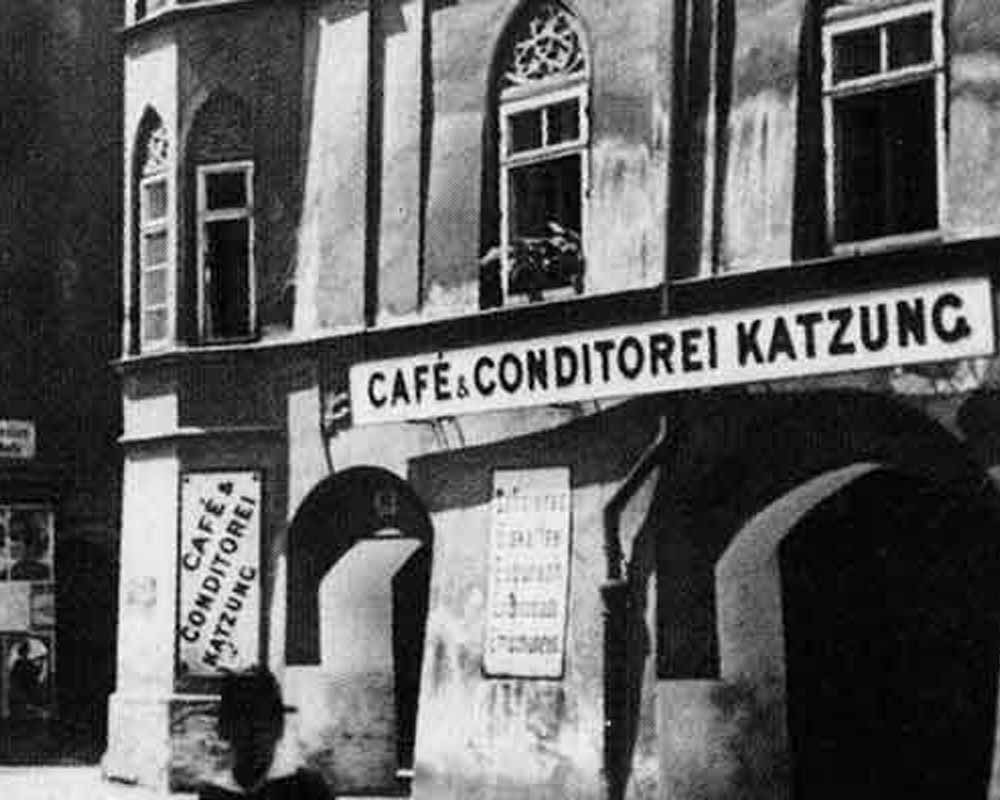
Finally arrived in Innsbruck too
Even so, more than a century has to pass before Innsbruck too enjoys a coffee house, while Vienna already counts more than 30 of them. It is thanks to the persistence of Maria Innerhofer that Innsbruck’s first coffee house finally opens in 1758. For decades the envious innkeepers of Innsbruck successfully blocked the emerging “coffee house competition” in the town council, which meant that coffee, as an exotic medicine, could only be brewed and served in “apothecaries”.
1780
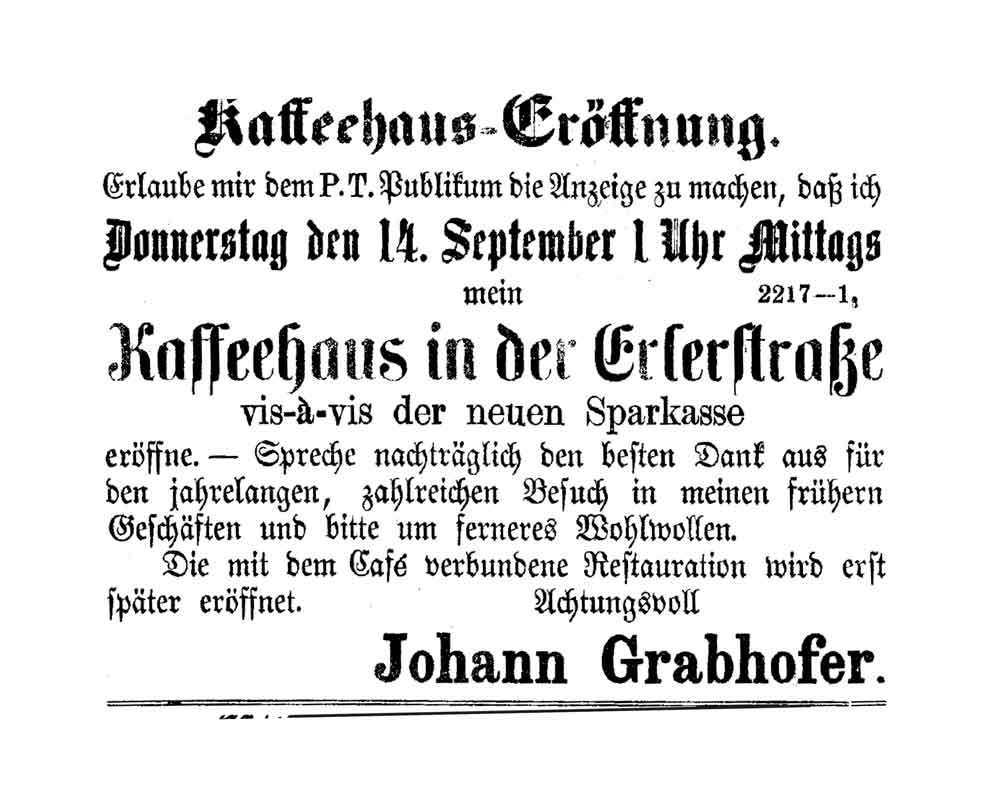
Innsbruck’s pioneer
Credit where credit is due. So the Café Katzung must be mentioned at this point, founded in 1780 by the confectioner Anton Georg Katzung and still regarded today as the oldest surviving coffee house in Innsbruck.
1847
Money-hungry coffee brewers
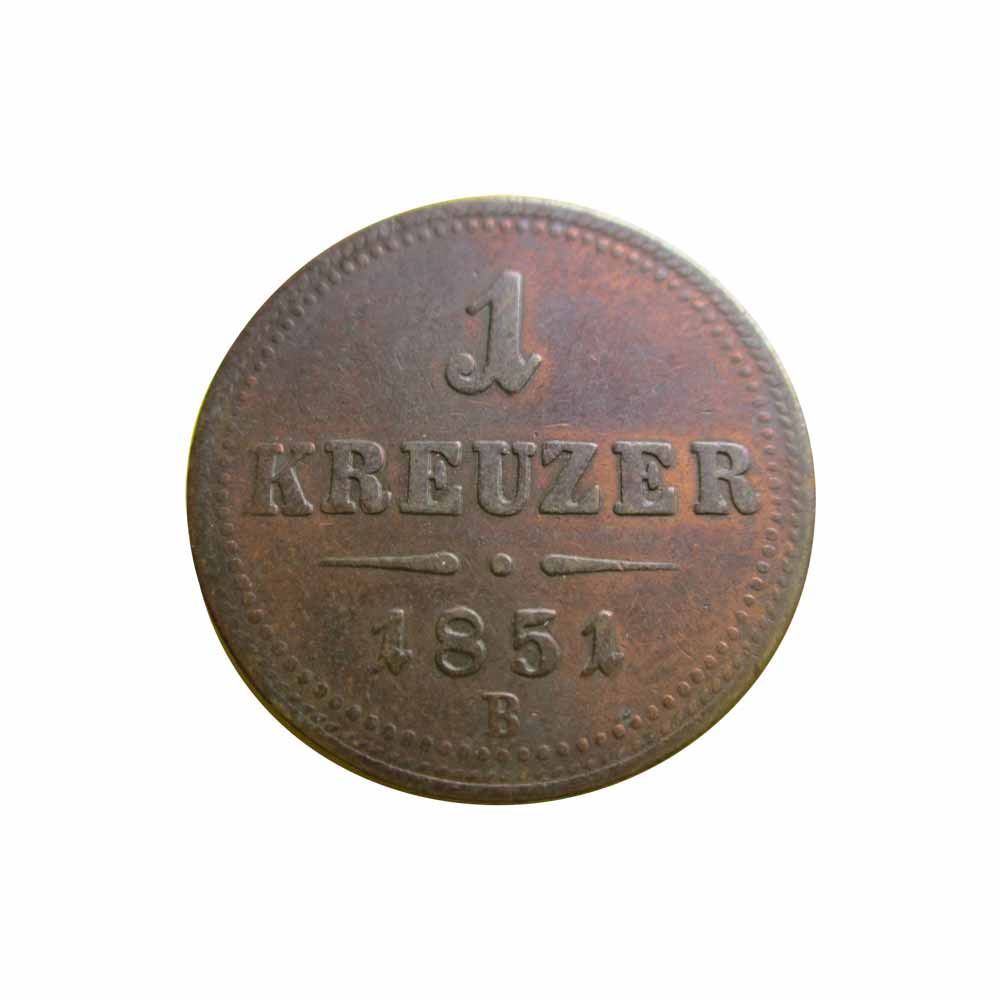
By 1847 Innsbruck already has eight coffee brewers and billiard keepers where, while sipping coffee, you can also pursue the genteel parlour game of billiards. As the popularity of the coffee houses keeps growing, in 1854 the price per cup rises noticeably for the first time, to one Kreuzer. Which makes Innsbruck’s coffee house guests boil over. With the so-called “Kreuzer alliance”, however, the coffee brewers are forced to back down and, after a two-month customer boycott, finally give in.
1876
The birth of the coffee house
At last the moment has come: the birth of the Café Central, which for the time being is still called Café Grabhofer. Founded by the coffee house keeper Johann Grabhofer, it opens its doors for the first time on 14 September 1876 at exactly one o’clock in the afternoon. Yet not four years later Grabhofer dies on 28 April 1880 and the three-storey coffee house passes into the ownership of his widow, who in turn hands the Central on to her daughter and son-in-law. The tenants during those turbulent years are the couple Gottfried and Maria Geisberger.
1891
The Café Grabhofer becomes the Café Central
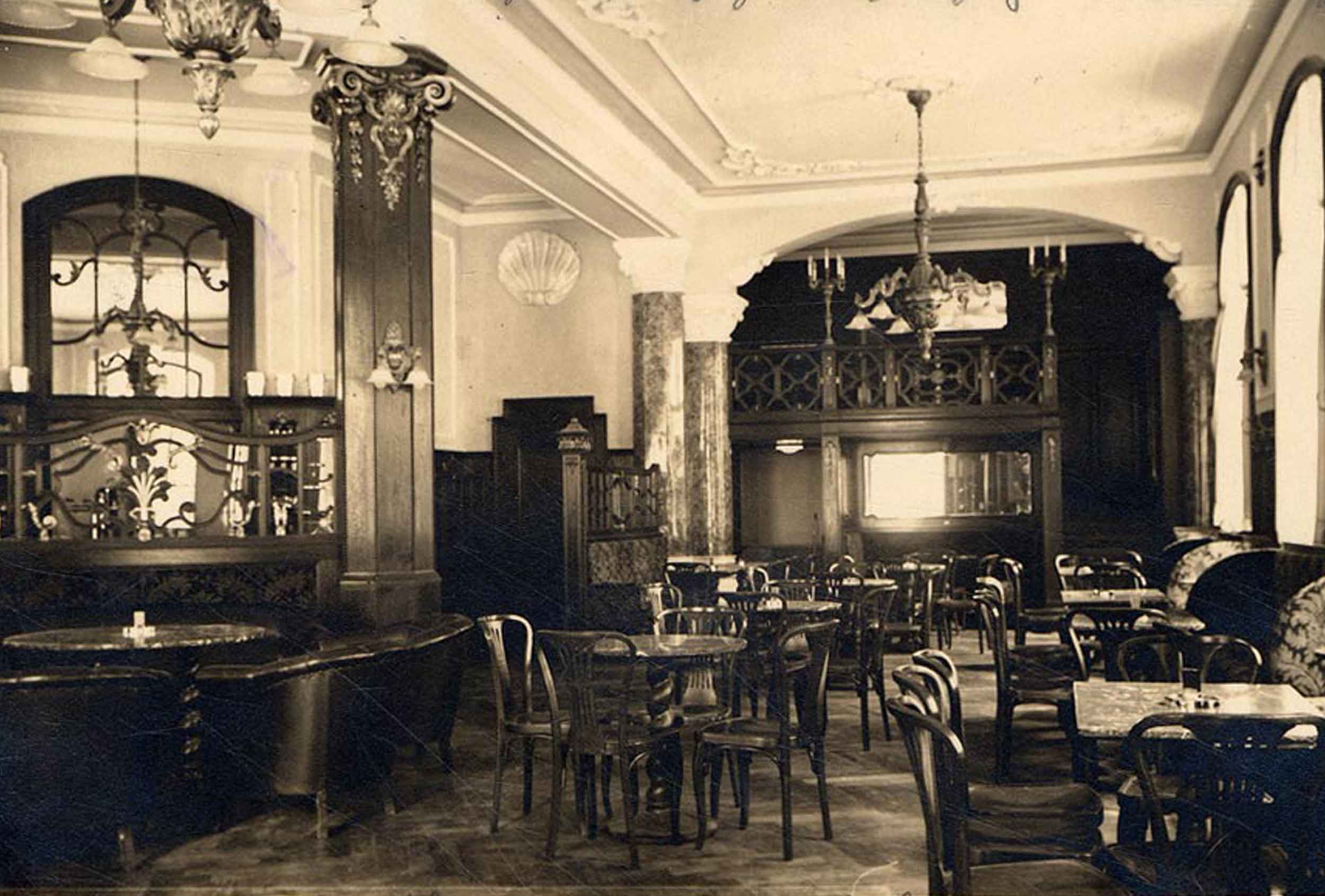
When the building at Erlerstraße 11 passes into the ownership of Leopold Eck in April 1891, the coffee house also changes its name to Café Central. Whether the Viennese Café Central stood godfather to that could at best still be read in the coffee grounds. What is regarded as confirmed, however, is that concerts are held in the coffee house for the first time around then. It is also advertised that in the afternoons only a few men sit at the Central and that no smoking takes place. As a result, ladies too increasingly come to know the merits of the Café Central.
1892
The birth of the Hotel Central
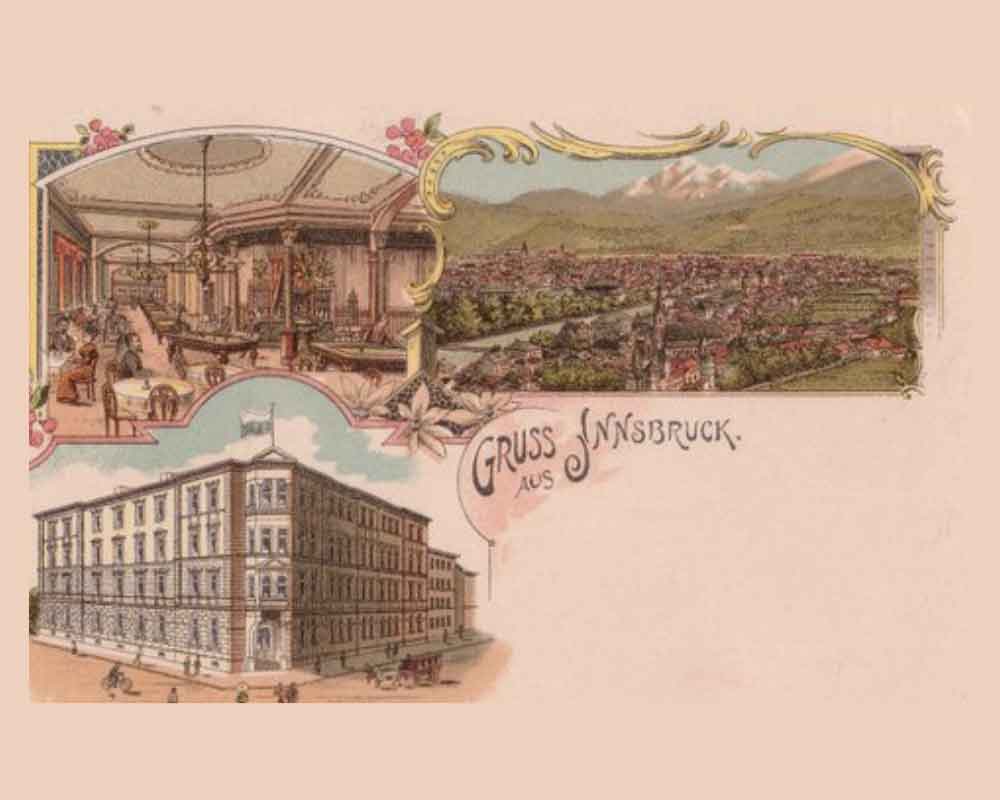
Seen soberly, the birth of the Hotel Central in 1892 was almost a matter of logic. The still undeveloped space on the upper floors of the coffee house was finally to be put to use and guests were to be given the chance to stay the night. Given the good location in the middle of the city, fitting out hotel rooms on the upper floors was practically the obvious step.
1896
Coffee cups and beer glasses
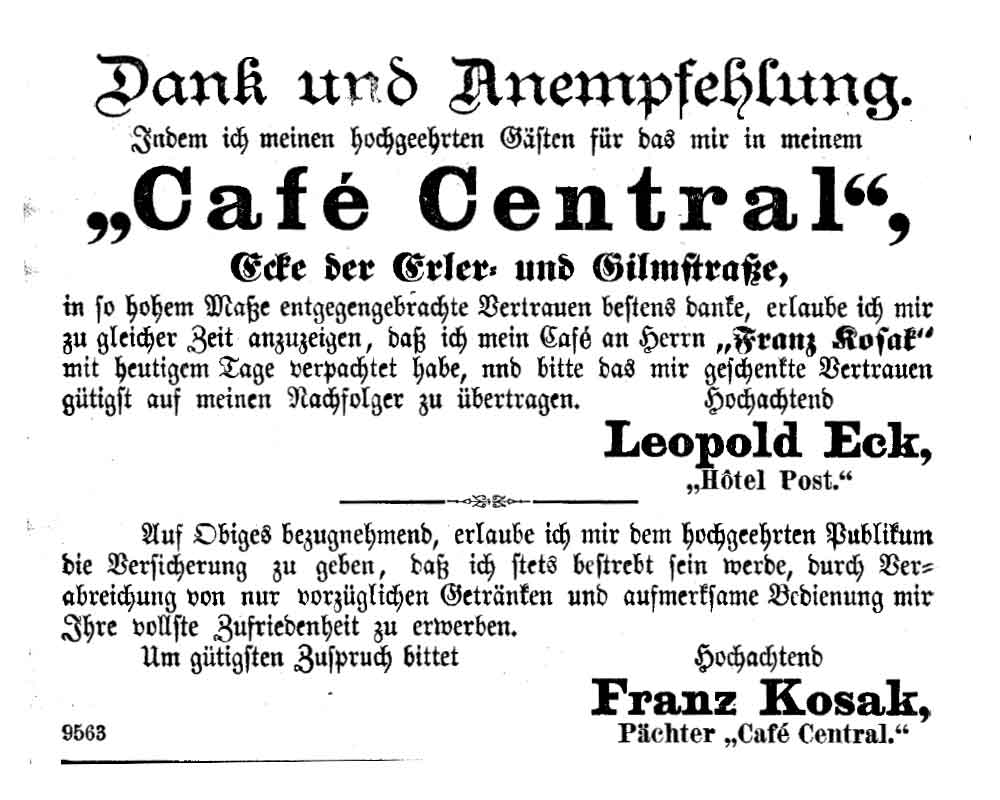
In 1896 Franz Kosak, the tenant of the Café Central, buys the building at Erlerstraße 11 together with the premises from Leopold Eck for the handsome price of 113,000 gulden. Liquidity problems, however, lead the restaurateur to take out a large loan and to commit to buying at least 250 hectolitres of beer a year from the joint-stock company “Bürgerliches Brauhaus in Innsbruck”. And so beer is served in the coffee house for the first time.
1913
Political conspiracies at the Central?
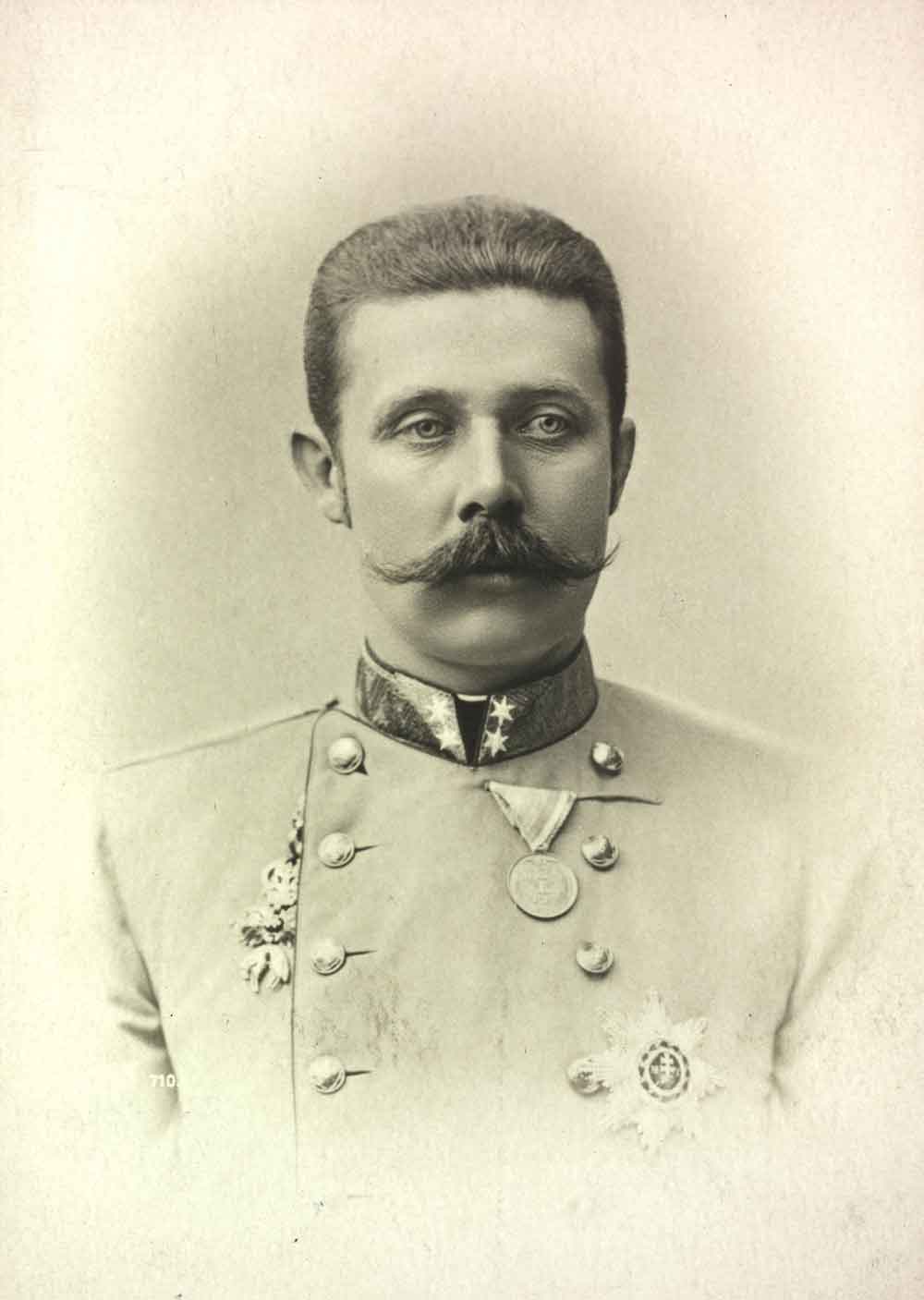
Alongside writers, artists and people of every kind, by now many students also gather at the Central. One who deserves mention here is the Serbian medical student Milos Stankovic. In 1913, trying to impress Anna Wach, a waitress working at the Café Central, he serves her a very particular story. He is planning to shoot the Austrian heir to the throne, Franz Ferdinand, he tells the young woman at a late hour. The story does not fail to have its effect and Stankovic is arrested only a little later. Whether he would have carried out his plan remains uncertain. After five months in custody awaiting trial, he is expelled from the country.
1919
From coffee house to bank and back again
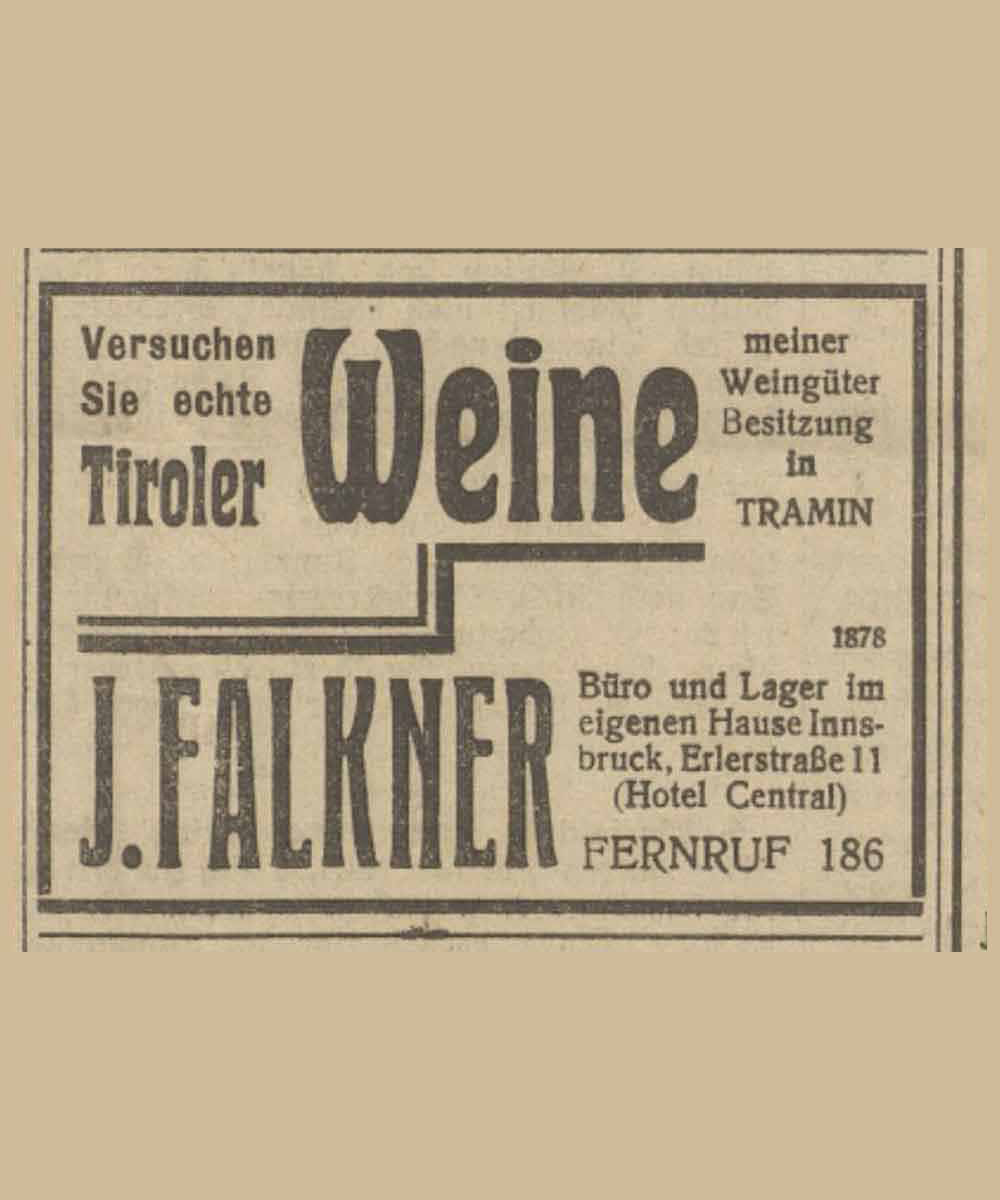
In 1919 the wine merchants Josef and Antonia Falkner buy the Café Central, where they set up a trading base for selling wine. Two years later Josef Falkner sells his share to his wife, and the sole owner rents the premises to the Wiener Kommerzbank, which makes Innsbruck’s coffee house visitors very sad indeed. But when Josef Falkner becomes co-owner of the Central again in 1927, the tide turns, and on 14 May 1928 the Café Central celebrates its grand reopening.
1945
Comptoir Français
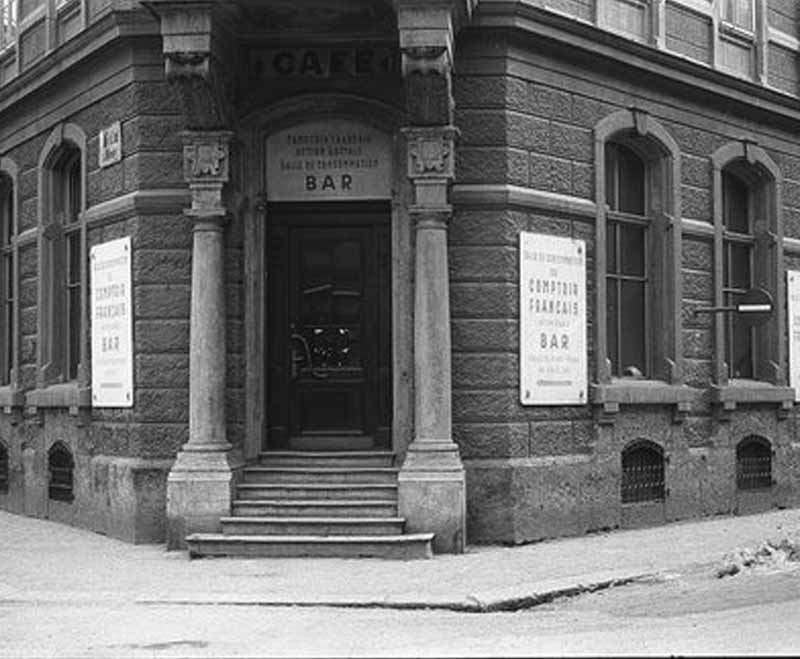
The difficult post-war years are marked by reconstruction. The Central has fortunately come through the devastating bombing of Innsbruck unscathed, but its attractive location naturally catches the eye of the French occupying forces at once. The French immediately requisition the Café Centralisée and use the former coffee house bastion as their “Comptoir Français”.
1954
A coffee house with a night club
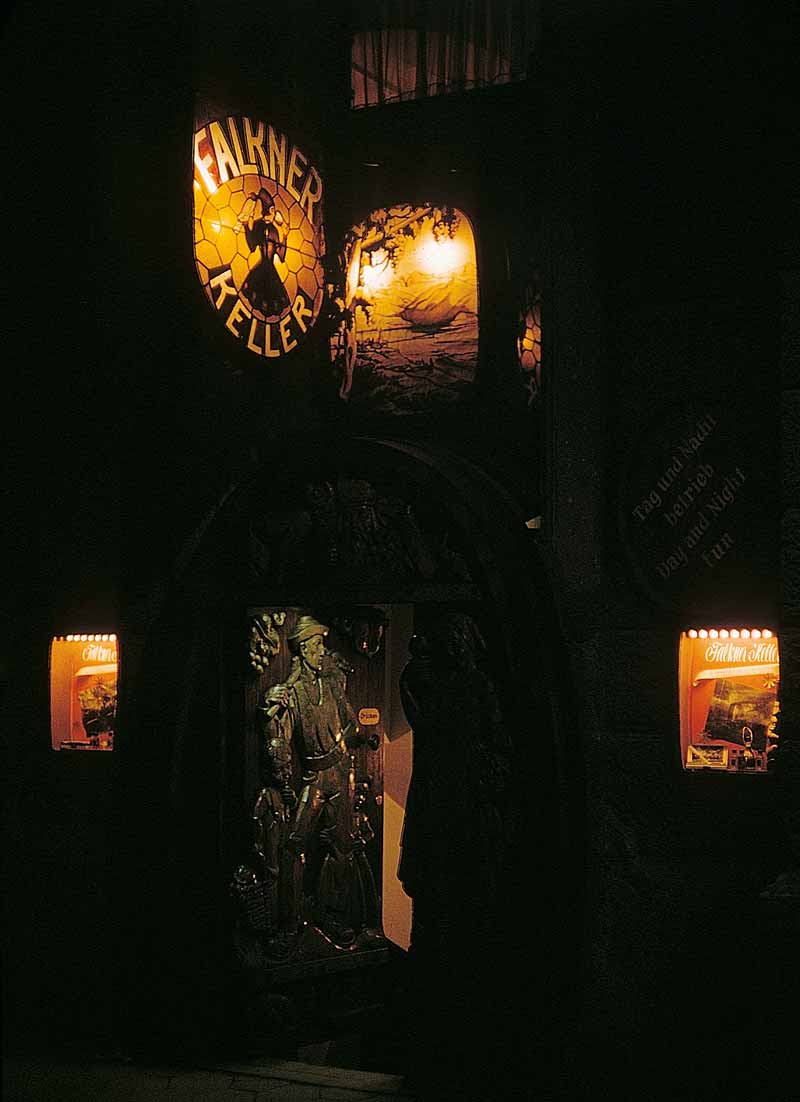
With the withdrawal of the occupying powers, Josef Falkner is master of his own house again. He hands the hotel business over to his daughter Isolde Sterzinger, however, who brings the café back to life. The architect Norbert Heltschl is commissioned to restore the coffee house exactly as it once drew in the citizens of Innsbruck. Josef Falkner himself concentrates more on the cellar of the building, where the architect Gärtner fits out the famous “Falkner-Keller” for him. Instead of the usual Tyrolean parlour panelling, what emerges there, modelled on an old seventeenth-century pirates’ fortress, is a kind of harbour tavern that was to become a genuine Innsbruck night club sensation.
1967
The end and the beginning of an era
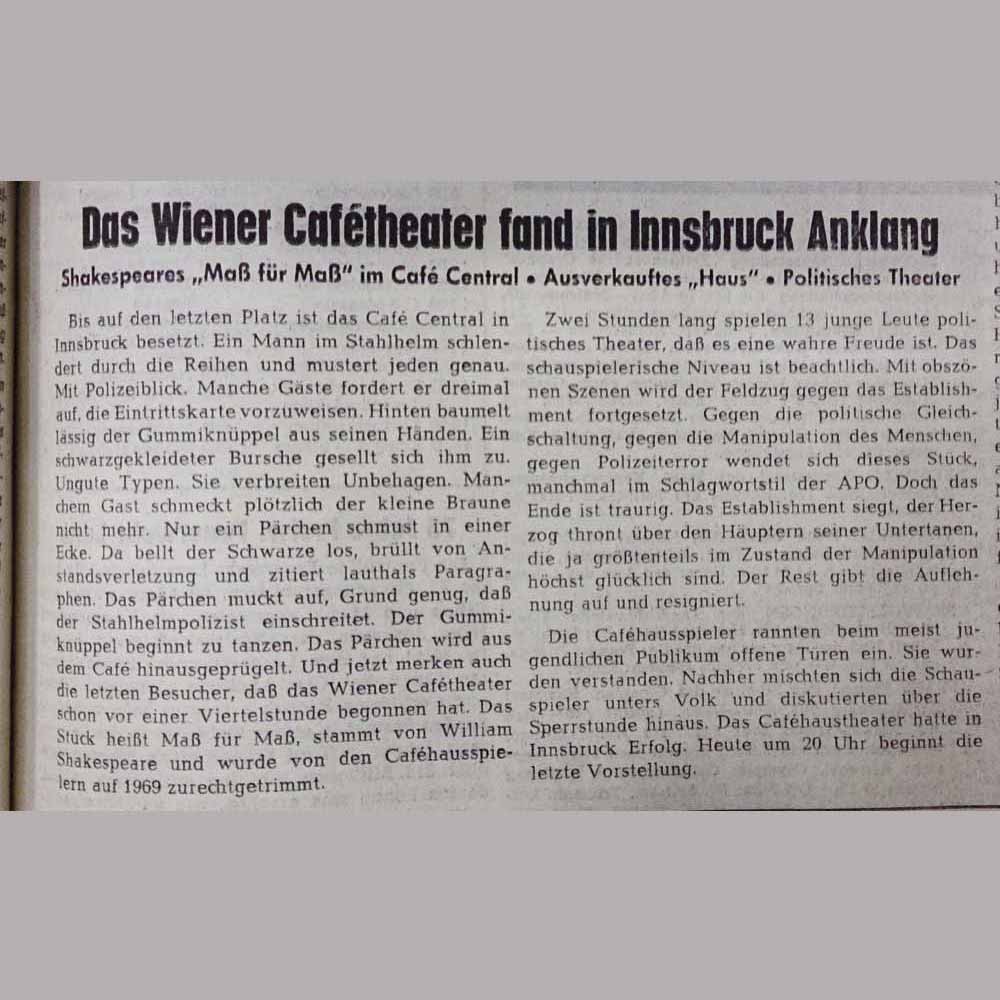
After the catering legend Josef Falkner departs this life in 1964, the Sparkasse Innsbruck acquires the Hotel Café Central in 1967. Instead of converting the premises into a bank branch once again, however, this time the watchword is to preserve what is cultural. And the persistent plans to turn the Central into a soulless department store temple thankfully soon evaporate as well. Instead, plays are staged at the Central for the first time, and they meet with a lively response.
1978
A very particular gap
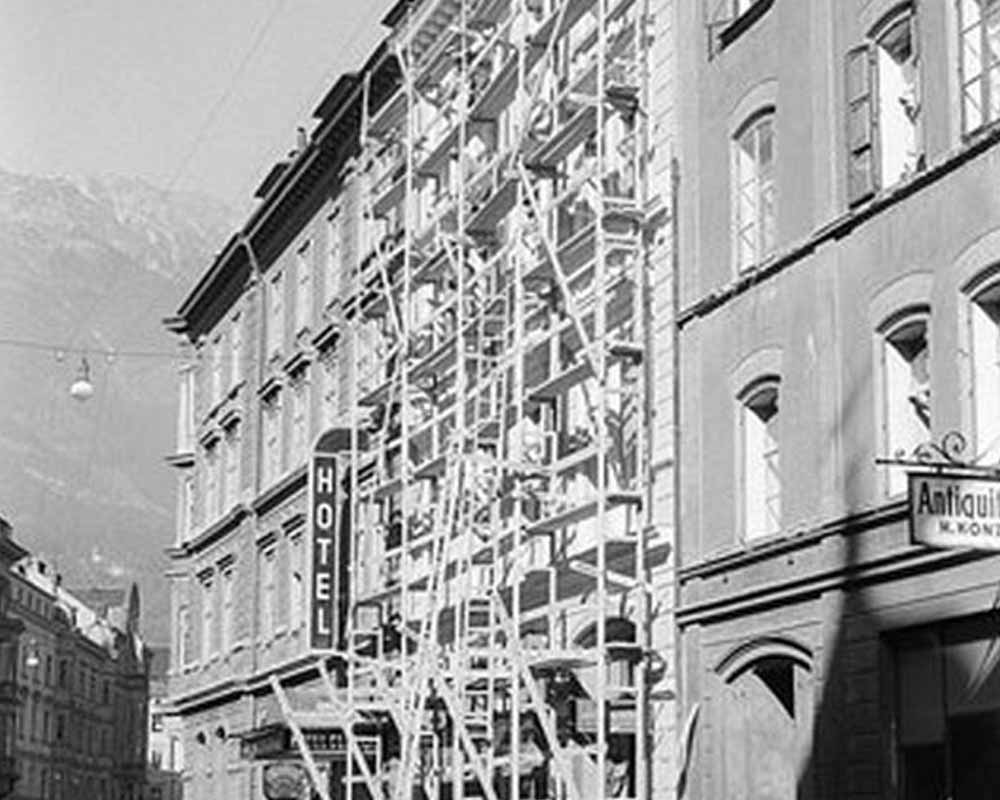
The harmonious new building at the Central, which finally fills the structural gap between hotel and coffee house with purpose and life and raises the hotel to comfort standard, is realised between 1978 and 1980 by the architect Peter Thurner with a great deal of love for detail. Besides new comfort rooms, an indoor pool with sauna and several conference rooms, the Hotel Central gains above all a generous two-storey entrance lobby that fits very harmoniously into the existing architecture of the building.
1987
The Fröschl family takes over the Central
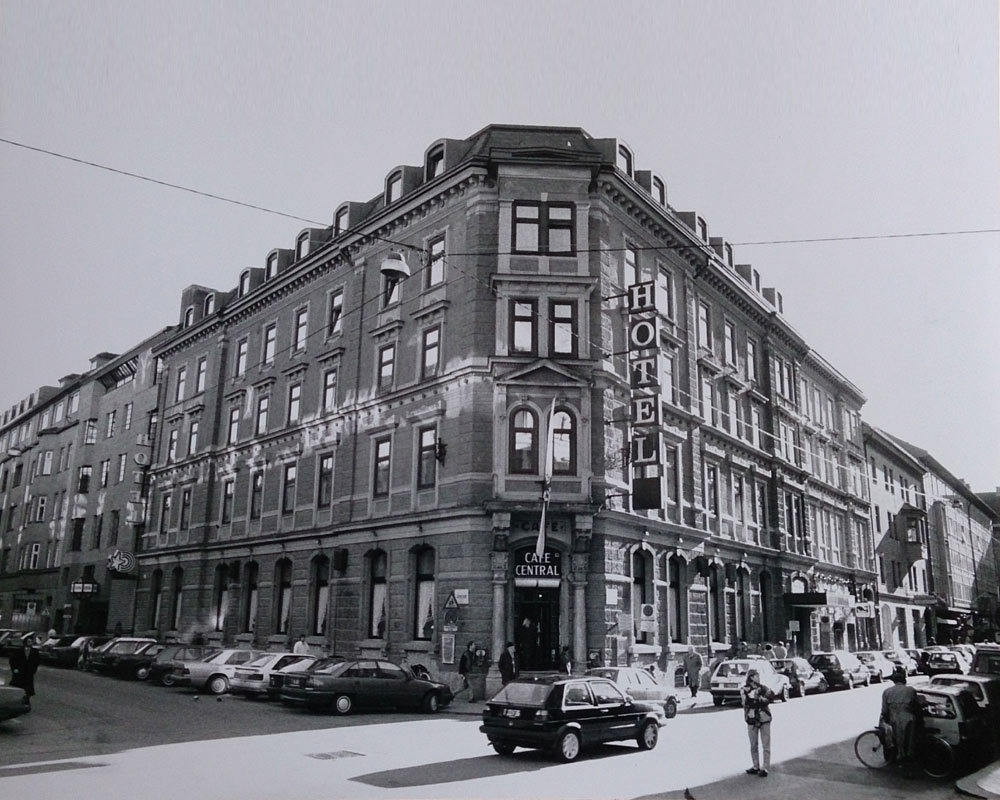
When the tradition-rich Innsbruck establishment in Erlerstraße is taken over by the master builder Eduard Fröschl in 1987, more than one “Central fan” fears for their dearly loved coffee house. The fear proves entirely unfounded. The opposite is the case. The Café Central is lovingly restored and the original character and style of the house preserved.
2015
Smoke-free
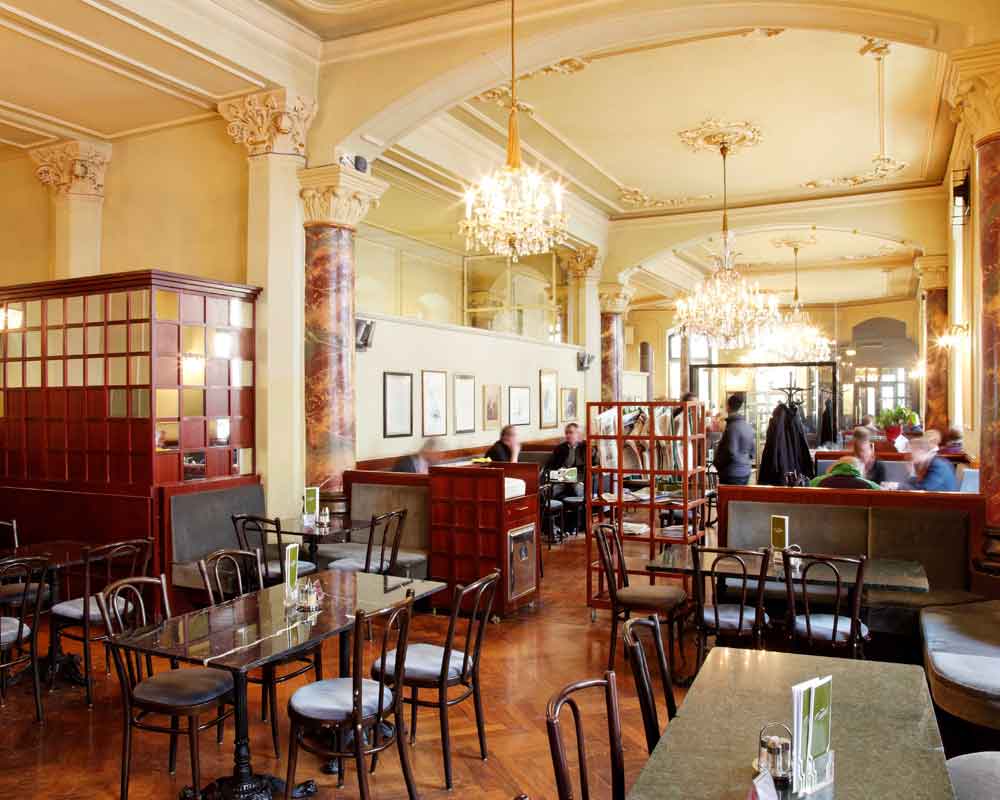
Ash Wednesday 2015 takes the breath away from more than one smoker, because on that day the Café Central really does become a non-smoking establishment. While the government dithers for years, the Café Central takes a clear position and a courageous step, which is initially answered with dwindling student visits. But while smokers are still allowed to puff away outside the door, the quality of life inside rises to an entirely new level.